
SELSIL Aquarium Silicone Sealant is the best aquarium safe silicone for most buyers because it is made specifically for sealing aquariums. It offers a focused solution for repairing leaks, resealing joints, and building glass tanks without choosing a general-purpose caulk.
This guide is for fishkeepers, DIY aquarium builders, and anyone fixing a leaking tank. The key factors are material compatibility, adhesion to glass, curing time, and how much sealant each tube covers. You should also check whether the formula is labeled aquarium-safe after curing, since some household silicones contain additives that can harm aquatic life. The six picks below are ranked by practical use, with clear reasons and honest drawbacks for each. That makes it easier to match a sealant to your tank size, repair job, and available drying time.
Quick Comparison
| # | Product | Best For | Price | |
|---|---|---|---|---|
| 1 | SELSIL Aquarium Silicone Sealant | For Small Aquarium Repairs | ~$13 | View → |
| 2 | Aquarium Silicone Sealant, 10 fl oz | For Full-Tank Resealing Jobs | ~$10 | View → |
| 3 | Aqueon Aquarium Silicone Sealant | For Clear Glass Aquarium Seams | ~$9 | View → |
| 4 | Aquarium Silicone Sealant, 4-Pack | For Multi-Tank Maintenance Projects | ~$26 | View → |
| 5 | Aquarium Silicone Sealant, 10.2 oz Cartridge | For Caulking Gun Applications | ~$13 | View → |
| 6 | SELSIL Aquarium Silicone Sealant | For Replacement Seams And Leaks | ~$22 | View → |
6 Aquarium Silicone Sealants Worth Considering
This ranked list counts down to the top pick, based on aquarium safety, curing needs, application, and value.
6. SELSIL Aquarium Silicone Sealant
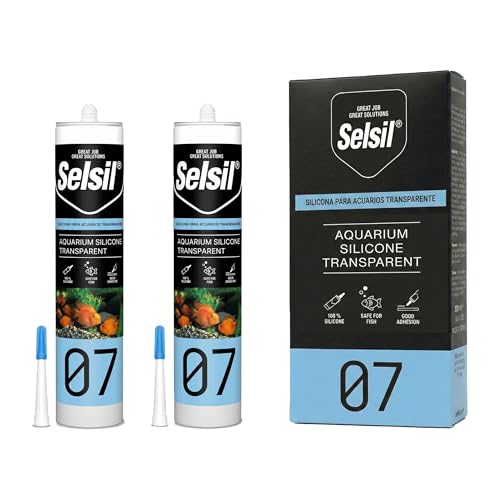
Best for: Repairing glass freshwater or saltwater tanks
SELSIL Aquarium Silicone Sealant is a clear, 100% silicone adhesive for building and repairing aquariums. This two-pack includes two 10.14-fluid-ounce tubes, or 300 ml each. The formula contains no solvents and is labeled non-toxic for aquarium use. It bonds to glass and other non-porous surfaces without a primer, including aluminum and glazed ceramic tile.
Its main advantage is flexibility. The cured seal remains elastic through temperature changes and resists ultraviolet light, ozone, cracking, pulling, and discoloration. That makes it useful for sealing seams, repairing leaks, or attaching aquarium decorations. It works in both fresh and saltwater setups. The silicone begins curing within a few hours, but the manufacturer recommends waiting up to 24 hours for complete curing. Apply it between 41°F and 104°F. Around $22 for two tubes, it offers a practical amount for several small repairs or one larger project.
Pros
- Two 300 ml tubes provide 600 ml of sealant.
- Bonds to clean glass without an added primer.
- Flexible, clear seal resists temperature changes and UV exposure.
Cons
- It works mainly on non-porous surfaces, so it is unsuitable for porous materials.
- A full 24-hour cure can leave the aquarium out of service for a day.
5. Aquarium Silicone Sealant, 10.2 oz Cartridge

Best for: Aquarium builders repairing black silicone seams
This 10.2-fluid-ounce cartridge is a black RTV silicone sealant for glass aquariums, vivariums, and similar water-holding projects. Its high-modulus formula bonds directly to glass without primer, which can simplify seam repairs and new builds. The sealant does not slump, so it can stay in place on vertical panels instead of running downward.
The cured material tolerates continuous immersion in fresh or salt water and is non-toxic to fish after it fully cures. It also handles a wide temperature range, from -57°C to 233°C during operation. Application is suitable from 0°F to 120°F, or -18°C to 50°C. Around $13, this cartridge costs less than many specialized aquarium repair products. Still, the black color will show on clear glass, and the cartridge needs a compatible caulking gun. The product information does not state a cure time, so the tank must remain empty until the manufacturer’s instructions confirm it is safe to fill.
Pros
- Bonds to glass without a separate primer.
- Non-slump formula works on vertical aquarium panels.
- Suitable for fresh water, salt water, and vivarium projects.
Cons
- Black silicone creates visible seams on clear or lightly colored tanks.
- A 10.2-ounce cartridge requires a caulking gun, and no specific cure time is provided.
4. Aquarium Silicone Sealant, 4-Pack

Best for: sealing small tanks and repairs
This four-pack uses 100% clear silicone for aquarium seams, glass repairs, and other waterproof jobs. The solvent-free, acid-cured formula is intended to be safe for fish and underwater organisms after it fully cures. It also has broad household uses, including sinks, bathroom fixtures, windows, pipes, boats, and cars. At around $26, the pack suits buyers who want extra sealant on hand rather than a single emergency tube.
The surface should feel dry in about 30 minutes, but the sealant needs up to 48 hours to fully harden before the tank returns to service. Larger beads, cooler conditions, and low humidity can extend that wait. Application works best between 41°F and 104°F. Once cured, the silicone remains flexible and is rated for temperatures from -58°F to 212°F. That flexibility helps the seal resist shrinking and cracking as conditions change. Still, the product requires clean, dry surfaces and careful bead placement for a reliable repair.
Pros
- Four-pack provides sealant for multiple tanks or household repairs.
- Clear, 100% silicone leaves less visible residue around glass seams.
- Flexible cured rubber resists shrinkage and cracking across temperature changes.
Cons
- Full curing can take 48 hours, delaying fish or water reintroduction.
- A four-pack may be more sealant than needed for one small repair.
3. Aqueon Aquarium Silicone Sealant
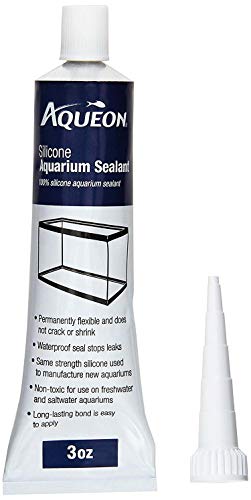
Best for: Small aquarium leak repairs
Aqueon Aquarium Silicone Sealant Clear comes in a 3-ounce tube for sealing or repairing aquarium joints. Its 100% silicone formula is made for freshwater and saltwater tanks, and the clear color keeps repairs less noticeable against glass. The seal forms a waterproof barrier that helps stop leaks once properly applied and cured.
The sealant stays flexible instead of becoming brittle, so it can handle normal movement without cracking or shrinking. It also creates a long-lasting bond and applies more easily than many thick repair products. Around $9, the tube offers a low-cost option for maintenance jobs. A black version is also available, but clear silicone fits most glass aquariums and decorative setups.
Pros
- Works with both freshwater and saltwater aquariums.
- Flexible silicone resists cracking and shrinking over time.
- Clear finish makes repaired seams less visible.
Cons
- The 3-ounce tube may not cover large tanks or several major repairs.
- The aquarium must remain out of service until the sealant fully cures.
2. Aquarium Silicone Sealant, 10 fl oz

Best for: Small aquarium leak repairs
This one-pack sealant contains 10 fluid ounces of clear, 100% silicone. Its solvent-free, acid-cured formula is made for aquarium repairs and other waterproof sealing jobs. It can bond with many common materials, including glass and building surfaces. At around $10, it costs little compared with replacing a tank or sink fitting.
The surface should dry in about 30 minutes, but the seal needs up to 48 hours to fully cure. Wait for that full cure before adding fish or water. Cold temperatures, low humidity, and thick beads can extend the timeline. Apply it between 41°F and 104°F, or 5°C and 40°C, for more reliable results. Once cured, the silicone stays flexible across temperatures from -58°F to 212°F, or -50°C to 100°C. That flexibility helps reduce cracking and shrinkage. It can also seal windows, sinks, bathrooms, pipes, cars, and boats.
Pros
- Clear 100% silicone keeps repairs less noticeable.
- Flexible cured rubber helps resist cracking and shrinkage.
- One 10-ounce tube covers aquarium and household sealing tasks.
Cons
- Full curing takes up to 48 hours, so it is not a quick refill-and-use repair.
- Acid-cured silicone may not suit some sensitive metals or surfaces, so check material compatibility first.
1. SELSIL Aquarium Silicone Sealant

Best for: DIY aquarium glass repairs
SELSIL Aquarium Silicone is a transparent, solvent-free sealant for bonding and sealing glass. The single pack contains 10.14 fluid ounces and uses 100% silicone polymer. It is designed for freshwater and saltwater aquariums, plus other non-porous surfaces such as aluminum and glazed ceramic tile. The clear finish helps repairs blend into the tank.
Its main advantage is flexibility. The cured sealant is made to resist ozone, ultraviolet light, and temperature changes without losing elasticity, cracking, pulling, or discoloring. It can be applied between 41°F and 104°F, or 5°C and 40°C. The surface may feel cured after a few hours, but the manufacturer recommends allowing up to 24 hours for complete curing. At around $13, this one-cartridge pack offers a practical option for small repairs, leak sealing, and securing aquarium decorations. It is listed as meeting ISO 11600-F&G-25 LM standards.
Pros
- Fish-friendly formula contains no added solvents or harsh chemicals.
- Bonds to glass without requiring an additional primer.
- Flexible, transparent seal resists UV light, ozone, and temperature swings.
Cons
- Limited to non-porous surfaces, so it is not suited to porous wood, concrete, or unglazed materials.
- Complete curing can take up to 24 hours, which delays refilling or returning the aquarium to service.
Buying Guide
Most important factor is a clear aquarium-safe label backed by the manufacturer. Choose 100% silicone with no fungicides, mildew inhibitors, or added chemicals, since these additives can leach into water and harm fish or invertebrates.
- Aquarium certification: Prefer a product that specifically lists fish tanks, terrariums, or aquascaping on its package or technical sheet. “100% silicone” alone does not prove aquatic safety.
- Cure chemistry: Check for a 7-day full cure, or the maker’s stated time. Avoid formulas containing mold inhibitors. Acetoxy silicone may smell like vinegar while curing, so use it with strong ventilation.
- Bond strength and flexibility: For glass repairs, choose a sealant rated for glass-to-glass bonding with at least 20 to 30 Shore A hardness. Flexible silicone handles small frame movements better than rigid adhesive.
- Tube size and application: A 2.8-ounce tube suits small repairs under 24 inches of seam. A 10-ounce cartridge works better for larger tanks and needs a caulking gun.
- Color and shelf life: Clear silicone keeps seams discreet, while black hides algae and uneven edges. Buy unopened tubes with at least 12 months before expiration, when possible.
If you cannot meet every requirement, prioritize verified aquarium use and a complete cure before adding water or animals.
Frequently Asked Questions
How do I choose silicone for an aquarium?
Choose a 100% silicone sealant labeled for aquarium use, with no mold inhibitors, fungicides, or added biocides. Look for clear curing instructions and a product made for glass bonding. A 3-ounce tube suits small repairs, while larger tank seams may require a cartridge and careful application.
What is the aquarium silicone curing time?
Aquarium silicone usually needs at least 24 hours to cure before water contact, but thick beads may need 48 hours or longer. Follow the tube’s instructions, keep the tank dry during curing, and wait until the vinegar-like smell has gone. A cool room or deep seam can extend the curing period.
Can I use regular silicone to seal a fish tank?
You can use household silicone only if its label confirms 100% silicone and excludes mold-resistant additives, but aquarium-rated silicone is the safer choice. Avoid products marked kitchen, bathroom, mildew-resistant, or antimicrobial. For a repair, check the technical sheet before applying even a small 1/8-inch bead.
Are aquarium-safe silicone sealants safe for fish?
Aquarium-safe silicone is generally safe for fish after it has fully cured and the odor has disappeared. Remove loose residue first, allow the recommended cure time, then rinse the tank with clean water. Never add fish immediately after sealing. A 48-hour cure is common, though labels may require longer.
Conclusion
SELSIL Aquarium Silicone Sealant remains the top pick for aquarium owners who need a dependable adhesive for resealing glass tanks, fixing joints, or completing small repairs. If your priority is a lower-cost tube for occasional maintenance, choose a smaller aquarium-rated silicone instead, since unused sealant can dry out before you need it again. Before buying, double-check the tube size, compatibility with glass and your tank materials, the quantity required for the repair, and the current price, since package sizes and listings can change. Follow the label’s curing time, remove old sealant carefully, and keep fish and invertebrates away until the silicone has fully cured and the tank has passed a leak check.