
As an aquarium owner, I know the joy of having a beautiful tank, but when I discovered a crack in the bottom, it was truly alarming. Ensuring my fish’s safety and avoiding a potential water disaster became a top priority.
When my aquarium’s bottom cracked, it wasn’t just about looks. It became a danger to my fish’s home, with the chance of water leaking, the structure getting shaky, and my beloved fish facing harm.
In this article, I’ll share the step-by-step ways to deal with the serious problems of a cracked aquarium bottom. From spotting issues to taking quick actions and discovering how to fix the damage, I’ve got you included.
If you’re dealing with this problem or want to be ready for any future issues with your aquarium, keep reading. I’ll walk you through the whole process, offering expert tips and simple steps to repair a cracked aquarium bottom and keep your fish safe. Don’t miss out on these essential tips for a healthy aquatic home.
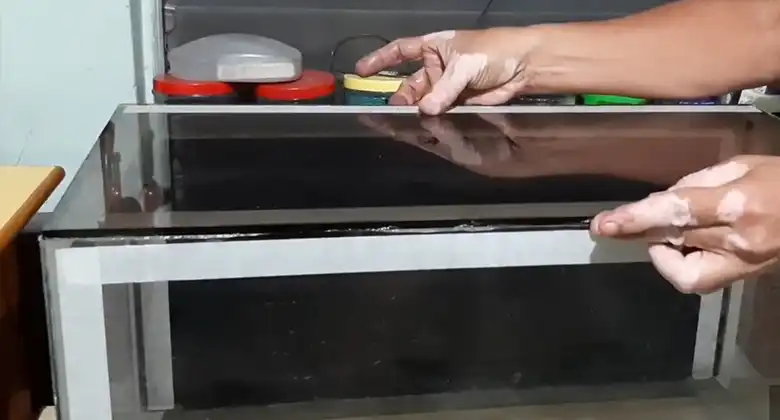
Recognizing Signs of Trouble
Before we dive into solutions, let’s explore the signs that your aquarium bottom might be compromised. It’s essential to spot these issues early to prevent further damage.
Unusual Water Levels
If you notice inconsistent water levels in your aquarium, it could be a telltale sign of a crack. Water might be seeping through the crack, causing the water level to drop.
Distortion in the Glass
Examine the glass from different angles. Any warping or distortion could indicate structural issues, including a potential crack.
Visible Fractures or Chips
Inspect the bottom of your aquarium closely. Hairline fractures or chipped glass are red flags that something is amiss.
Checking the Severity of the Crack
Not all cracks are the same. Understanding the type and severity of the damage is essential to determine the appropriate fix.
Surface Hairline Cracks
Some cracks are superficial and may not penetrate deep into the glass. We’ll discuss solutions for these minor cracks.
Deeper Structural Cracks
For more severe cracks that affect the structural integrity of the aquarium, it’s crucial to follow a different set of steps. We’ll guide you through those as well.
Methods to Fix a Cracked Aquarium Bottom
Fixing a cracked aquarium bottom involves steps like assessing the damage, draining the tank, securing the area, and using epoxy for repair. Keep aquatic pets safe. Here’s a more detailed explanation of the methods to fix a cracked aquarium bottom:
- Assess the Damage: Start by carefully examining the crack to determine its size and extent. Understanding the nature of the damage is essential to choose the right approach for repair.
- Drain the Aquarium: Before any repair work begins, it’s crucial to safely drain the water from the aquarium. This not only reduces the weight of the tank but also prevents water from spilling, causing further damage.
- Secure the Area: Clear the space around the aquarium to create a safe working environment. Remove any objects or obstacles that could lead to accidents during the repair process.
- Remove Inhabitants: Prioritize the safety and well-being of your aquatic pets. Transfer them to a temporary container with appropriate water conditions to minimize stress and potential harm.
- Clean the Crack: Ensure the cracked area is clean and free from any debris, which can hinder the effectiveness of the repair. Clean the area meticulously before proceeding.
- Apply Epoxy: Use a high-quality, aquarium-safe epoxy to seal the crack. Carefully follow the manufacturer’s instructions on how to apply the epoxy to the affected area. The goal is to create a watertight seal.
- Let it Cure: After applying the epoxy, allow it to dry and cure. The curing time can vary depending on the product, so be patient and wait until it’s fully set.
- Reintroduce Water: Once the epoxy has cured, gradually reintroduce water into the aquarium. Keep a close eye on the repaired area to ensure there are no new leaks.
- Reinstall Inhabitants: Once the tank is stable and leak-free, it’s safe to return your aquatic pets to their home. Monitor them closely to ensure they acclimate well.
- Prevent Future Cracks: To avoid future issues, take preventive measures. Ensure the aquarium is properly supported and placed on a level, stable surface. Regular maintenance, including cleaning and inspection, will help identify potential problems before they become significant.
By following these comprehensive steps, you can effectively address a cracked aquarium bottom and provide a safe and healthy environment for your aquatic companions.
When to Seek Professional Help
For more extensive cracks or those that are located in critical areas of the aquarium, professional assistance may be necessary. Here’s what you need to know.
Consulting a Professional Opinion
We’ll explain when it’s best to consult with an aquarium repair expert to assess the extent of the damage.
Services Offered by Aquarium Repair Experts
Discover the services and solutions that professionals can provide when it comes to repairing your cracked aquarium bottom.
Preventive Measures for Future Cracks
Prevention is the key to avoiding this problem in the first place. Here are some steps you can take.
Proper Placement and Support
Learn how to position your aquarium correctly and ensure that it’s adequately supported. This can help prevent cracks from occurring.
Routine Maintenance for Prevention
Discover the importance of regular cleaning and inspection practices to identify potential issues before they become major problems.
Safety Measures During Reinstallation
If you’ve repaired your cracked aquarium and it’s time to reinstall it, these safety measures are vital.
Securing the Reinstalled Aquarium
We’ll explain the precautions you should take when repositioning your aquarium, ensuring it remains stable and safe.
Observation and Monitoring
After the repair and reinstallation, it’s crucial to monitor the aquarium for any signs of trouble. We’ll guide you on what to watch for.
Q&A (Questions and Answers)
Q1. Can a cracked aquarium bottom be repaired at home?
A: Yes, minor cracks in an aquarium bottom can often be repaired at home using epoxy. We provide a step-by-step guide on how to do this in the article.
Q2. What are the immediate steps to take when discovering a crack in an aquarium bottom?
A: Safety should be your first priority. Secure the area, drain the aquarium safely, and remove the inhabitants to prevent any accidents.
Q3. Are epoxy solutions safe for fixing a cracked aquarium bottom?
A: Epoxy solutions are safe and effective for repairing minor cracks in an aquarium bottom. Properly applied epoxy can create a watertight seal.
Q4. How can I prevent cracks in my aquarium bottom?
A: Preventive measures include ensuring proper placement and support for the aquarium, avoiding uneven surfaces, and conducting routine maintenance to identify potential issues before they become major problems.
Q5. When should I seek professional help for a cracked aquarium?
A: You should seek professional assistance when dealing with extensive or structural cracks that could compromise the integrity of your aquarium. A professional assessment is essential in such cases.
Q6. What tools can I use to assess the severity of a crack in an aquarium bottom?
A: You can use tools like a magnifying glass or loupe to closely inspect the crack. Stress test methods can also help determine the extent of the damage.
Q7. Is it safe to reinstall an aquarium after fixing a crack?
A: Yes, it is safe to reinstall an aquarium after fixing a crack, but you should take safety measures and monitor the aquarium for any signs of trouble during and after reinstallation.
Q8. What are the different types of cracks in an aquarium bottom?
A: There are two main types: surface hairline cracks and deeper structural cracks. Each type requires different approaches for repair and assessment.
Q9. How do I recognize signs of a cracked aquarium bottom?
A: Signs include unusual water levels, distortion in the glass, and visible fractures or chips in the bottom of the aquarium.
Q10. Are there specific safety measures to consider after fixing a cracked aquarium bottom?
A: After fixing a cracked aquarium, it’s important to monitor the tank for any signs of further issues, ensuring that it remains stable and safe for your aquatic pets.
To Conclude
Dealing with a cracked aquarium bottom can be tough, but with the right knowledge and steps, you can manage the issue effectively. Whether it’s a minor problem or a major concern, taking immediate precautions, understanding the damage, and using the appropriate repair methods can help you restore your aquarium. And remember, prevention is the best cure. By following these guidelines and practicing proper maintenance, you can reduce the risk of future cracks and create a safe, healthy environment for your fish and other aquatic pets.
For related issues, see Is 10mm Glass Good for the Aquarium? Crystal Clear Decisions, How Do You Hide Airline Tubing in An Aquarium? 6 Simple Methods, How Do I Stop My Aquarium from Turbulence.


