
For most buyers, Amazon Sword Echinodorus Bleheri Live Aquarium Plant is the top pick among the best aquarium plants to reduce nitrates. Its large root and leaf mass can absorb dissolved nutrients as the plant grows, while adding useful cover for fish. This rooted freshwater plant suits medium and large tanks, but it needs adequate light and nutrient-rich substrate to develop well. It can support regular water changes, though no live plant replaces proper aquarium maintenance.
This guide is for fishkeepers who want plants that help manage nitrate levels naturally. The main factors are mature plant size, light requirements, root-feeding needs, and suitable tank volume. A plant that outgrows a small aquarium can create pruning work, while weak lighting may limit growth. The seven picks below are ranked with clear reasons and honest drawbacks for each, so you can match a plant to your tank.
Quick Comparison
| # | Product | Best For | Price | |
|---|---|---|---|---|
| 1 | Amazon Sword Echinodorus Bleheri Live Aquarium Plant | Planted Tank Centerpiece Growers | ~$13 | View → |
| 2 | Nitrate Reducer Filter Pad | Nitrate-Conscious Aquarium Keepers | ~$10 | View → |
| 3 | Marcus Fish Tanks Hornwort Live Aquarium Plant | Beginner-Friendly Fish Cover | ~$10 | View → |
| 4 | Marcus Fish Tanks 6 Jungle Val Live Aquarium Plants | Tall Background Planting Projects | ~$14 | View → |
| 5 | Tetra 77140 EasyBalance PLUS Water Conditioner | Routine Aquarium Maintenance Schedules | ~$14 | View → |
| 6 | PENN-PLAX Nitrate Reducer Aquarium Filter Media Pad | Extra Nitrate Filtration Capacity | ~$10 | View → |
| 7 | API LEAF ZONE Aquarium Plant Fertilizer | Aquatic Plant Fertilizer Users | ~$10 | View → |
7 Aquarium Plants That Help Lower Nitrates
The list is ranked by nitrate uptake, ease of care, and aquarium fit, counting down to the top pick.
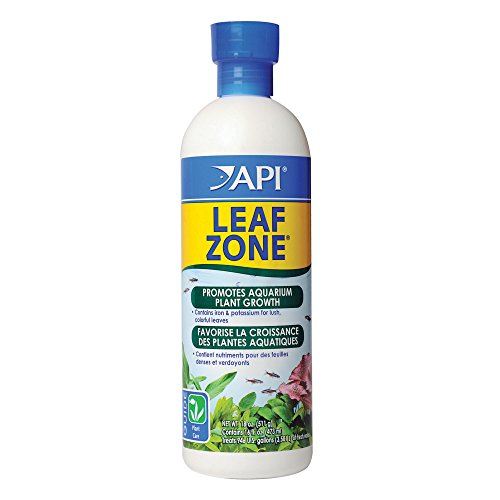
7. API LEAF ZONE Aquarium Plant Fertilizer
Best for: Weekly freshwater plant maintenance
API LEAF ZONE is a liquid fertilizer for freshwater aquariums. The formula supplies chelated iron and potassium, two nutrients linked to healthier plant growth and leaf color. The listed bottle size is inconsistent: the product name says 18 ounces, while the feature details identify a 16-ounce bottle. Check the package before ordering. At around $10, it remains a low-cost option for routine plant care.
The dosing instructions are simple. Add 5 milliliters for every 10 US gallons of aquarium water once a week. The liquid is designed for quick absorption by freshwater plants, so it suits tanks where plants show pale or yellowing leaves. It may also help limit decaying foliage when nutrient shortages contribute to the problem. Still, fertilizer cannot fix poor lighting, damaged roots, algae, or water-quality issues. This product targets plants, not the entire aquarium ecosystem.
Pros
- Provides chelated iron and potassium for plant nutrition.
- Weekly dosing uses a clear 5 ml per 10-gallon ratio.
- Around $10 makes it affordable for regular freshwater care.
Cons
- The listing gives conflicting 16-ounce and 18-ounce bottle sizes.
- It is made for freshwater plants, so saltwater aquarium owners need another formula.
6. PENN-PLAX Nitrate Reducer Aquarium Filter Media Pad

Best for: Custom-sized aquarium and pond filters
The PENN-PLAX Nitrate Reducer is a flexible filter media pad sized at 10 x 18 inches. It contains natural mineral powder and can be cut to match different filter chambers, cartridges, or pond filter setups. The pad also catches loose debris, so it handles both particle removal and water maintenance in one layer.
This media is made for freshwater and saltwater aquariums, plus outdoor ponds. It may help maintain nitrate levels and reduce water discoloration, although it cannot replace regular water changes or a complete filtration system. Before use, rinse the pad thoroughly with cold water. Do not use soap, since residue can harm fish. The manufacturer recommends replacing the media every 4 to 6 weeks. At around $10, one 10 x 18-inch sheet offers useful flexibility for smaller tanks and custom filter compartments.
Pros
- The 10 x 18-inch sheet can be trimmed for different filter sizes.
- Natural mineral powder helps address nitrate levels and discolored water.
- Suitable for freshwater tanks, saltwater aquariums, and outdoor ponds.
Cons
- One sheet may not provide enough media for larger pond or aquarium filters.
- It requires regular replacement every 4 to 6 weeks, adding ongoing cost.
5. Tetra 77140 EasyBalance PLUS Water Conditioner

Best for: Monthly freshwater aquarium maintenance
Tetra EasyBalance PLUS is a water conditioner for routine aquarium care. The 16.9-ounce bottle is designed for monthly use, giving fish keepers a simple way to support water quality between regular changes. It helps regulate pH and carbonate hardness, also called KH, so aquarium chemistry is less likely to shift suddenly.
Its broader role sets it apart from a basic conditioner. The formula helps reduce nitrates and phosphates linked to fish waste, while adding vitamins, minerals, electrolytes, and trace elements. It also supports biological balance in the tank. That may reduce the need for several water changes each month, but it does not remove the need for normal maintenance. At around $14, the bottle offers a relatively low-cost option for ongoing care, especially for owners who want one treatment to address several routine water concerns.
Pros
- Monthly dosing supports steadier pH and KH levels.
- Helps reduce nitrate and phosphate buildup from waste.
- Adds vitamins, minerals, electrolytes, and trace elements.
Cons
- It does not replace regular water changes, filter care, or water testing.
- It addresses selected chemistry issues, not every aquarium problem.
4. Marcus Fish Tanks 6 Jungle Val Live Aquarium Plants

Best for: Beginner freshwater aquariums needing background cover
Jungle Vallisneria is a live freshwater plant sold as a six-plant bundle. Its long, grass-like leaves can add height and cover to the back of a tank. The plants are known for being easy to grow and fairly robust, which makes them a practical choice for new aquarium keepers. At around $14, this pack also gives you several plants for a modest price.
Expect some leaf melt after transplanting. That means older leaves may soften or die back while the plants adjust to new water conditions. The seller recommends trimming the tops before planting, then placing the plants into the substrate as usual. Shipping needs careful timing, too. Avoid ordering when daytime lows may fall below 30°F, since freezing temperatures can damage live plants. If a plant arrives dead, the seller requests a clear photo of it inside the unopened bag before considering a replacement.
Pros
- Six plants provide quick background coverage for a freshwater tank.
- Jungle Val is generally easy to grow and suitable for beginners.
- The seller offers replacement consideration for plants that arrive dead, with photo verification.
Cons
- Initial transplant melt can leave the aquarium looking sparse for a while.
- Cold-weather shipping below 30°F can damage the plants, limiting safe ordering periods.
3. Marcus Fish Tanks Hornwort Live Aquarium Plant

Best for: Low-cost freshwater tank greenery
Hornwort, also called coontail, is a live freshwater aquarium plant sold as a bundle of multiple stems. The listed bundle usually measures 5 to 10 inches, though the size can vary because each plant grows differently. It can be placed in the substrate or left floating, giving fish cover without requiring a complicated planting setup. The price is around $10, which keeps this plant accessible for smaller tanks and first-time aquascapers.
The live-arrival policy adds useful purchase protection. If the plant arrives dead, the seller asks for a clear photo while it remains in the unopened bag, then offers a replacement after verification. Weather matters, though. The seller advises against ordering when daytime lows may drop below 30°F. Hornwort can also shed many needles after shipping and during its first days in a new aquarium. That mess is a normal stress response, but it may require cleanup. The title references a buy-two, get-one offer, while the details describe one bundle, so confirm the quantity before ordering.
Pros
- One bundle includes multiple stems, usually measuring 5 to 10 inches.
- Floating or planted growth gives fish added cover.
- Live-arrival replacement policy applies when weather and photo requirements are met.
Cons
- Cold shipments below 30°F can damage the plant and may void the guarantee.
- Initial needle shedding can leave debris throughout the aquarium.
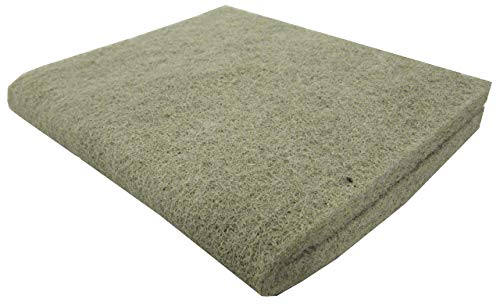
2. Nitrate Reducer Filter Pad
Best for: Cut-to-fit nitrate control in sumps
This 18 by 10 inch filter pad is made for freshwater and saltwater setups. Its thick, rigid fibers can trap floating debris while allowing water to pass through the material. The pad is designed to reduce nitrate levels and toxic buildup, so it may help with routine water maintenance in aquariums, ponds, and related systems. Place it where water flows through the filter compartment.
The large sheet can be cut to fit different filtration chambers, including wet/dry filters and sumps. It also suits aquaculture, aquaponic systems, terrariums, and hydroponic setups. Use it as one part of a larger filtration system, alongside micron, polyfiber, ammonia-reducer, or carbon pads. At around $10, it offers a low-cost option for adding nitrate control without buying a custom-sized insert. The listing does not provide a replacement schedule, so you will need to watch water quality and pad condition.
Pros
- The 18 by 10 inch sheet fits many filter compartments after trimming.
- Thick, rigid construction helps the pad hold its shape in use.
- Works in freshwater and saltwater systems, including aquariums, ponds, and sumps.
Cons
- Cutting the pad to size requires scissors and careful measurement.
- The product listing does not state how long one pad lasts or provide a nitrate-removal capacity.
1. Amazon Sword Echinodorus Bleheri Live Aquarium Plant

Best for: Large, low-light community aquariums
This listing includes three live Amazon Sword plants, identified as Echinodorus bleheri. Native to South America, this species forms long, broad leaves and can grow from about 20 to 50 cm tall. That size makes it a strong background choice for larger aquariums, where it can provide cover for fish and shrimp. It may also appear under the older name “Paniculatus.”
The plant is known for tolerating low-light tanks. It grows toward the available light, though it still needs some illumination and suitable aquarium conditions. A nutrient-rich substrate can support stronger growth, since Amazon Swords feed heavily through their roots. Regular trimming is also necessary. Older or oversized leaves can block light from reaching shorter plants below. At around $13 for three plants, this pack offers an affordable way to fill a large tank, but the final size may be too much for small aquariums.
Pros
- Includes three live plants, useful for filling a larger aquarium.
- Reaches 20 to 50 cm tall, creating a full background display.
- Handles poorly illuminated aquariums better than many light-demanding species.
Cons
- Its mature size can crowd small tanks or cover nearby plants.
- It needs nutrient-rich bottom material and regular pruning for controlled growth.
Buying Guide
The most important factor is growth rate, because actively growing plants absorb nitrate from the water. Choose fast-growing species that match your tank’s light, temperature, and available space.
- Growth speed: Favor hornwort, water sprite, and frogbit. Under suitable conditions, these plants can add several inches or produce new leaves within a few weeks.
- Light needs: Match the plant to your fixture. Low-light choices usually need 6 to 8 hours daily, while demanding stem plants may need stronger LEDs and 8 to 10 hours.
- Plant mass: Start with enough coverage to make a difference. Floating plants can cover 30% to 50% of the surface, while leaving open areas for feeding and gas exchange.
- Maintenance load: Pick species you can trim every 1 to 2 weeks. Fast growers may need weekly removal, and floating plants can shade slower varieties.
- Tank compatibility: Check temperature, pH, and livestock safety. Avoid duckweed if you dislike tiny plants spreading across the entire surface. Keep plants with irritating sap away from plant-eating fish.
If you cannot satisfy every factor, prioritize rapid growth that fits your tank’s light and temperature.
Frequently Asked Questions
How do aquarium plants reduce nitrate levels?
Fast-growing aquarium plants reduce nitrate by absorbing it as a nitrogen source while they grow, then removing that stored nitrogen when you trim or discard plant tissue. Floating plants such as frogbit and water lettuce often work quickly because they receive strong light and direct access to carbon dioxide above the water.
What are the best types of plants for lowering aquarium nitrates?
Fast-growing stem plants and floating plants are usually the most effective choices for lowering nitrate in a planted tank. Hornwort, guppy grass, water sprite, and frogbit can add substantial plant mass. Trimming weekly or every two weeks removes the nitrogen held in new growth.
Can aquarium plants alone keep nitrates low?
Plants alone can keep nitrate low in lightly stocked, mature aquariums, but they cannot reliably replace water changes in every setup. A heavily stocked 20-gallon tank may produce nitrate faster than its plants absorb it, so test weekly and change 20% to 30% of the water when levels rise.
Do live plants reduce nitrate faster than artificial ones?
Live plants reduce nitrate, while artificial plants do not, because only living tissue absorbs nitrogen from aquarium water. Fast growers can show a useful effect within several weeks, but fish load, lighting, carbon dioxide, and plant mass matter. Plastic decorations provide shelter and appearance without changing nitrate.
Conclusion
Amazon Sword Echinodorus Bleheri Live Aquarium Plant remains the top pick for aquarists who want a substantial rooted plant that can help use dissolved nutrients in a community tank. If your priority is fast coverage or a lower-cost way to add more plant mass, choose hornwort instead, since its quick growth and flexible placement suit many setups. Before buying, double-check the plant’s expected size, compatibility with your fish and water conditions, the quantity included, and the current price. Remember that plants support nitrate control, but they do not replace water changes, sensible feeding, filtration, or regular testing. Give each plant enough light and room, then track nitrate readings over time to judge your setup.